Top 10 Tips for Choosing 304 Stainless Steel for Your Projects?
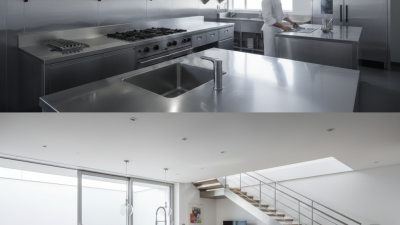
When embarking on a project that requires durability and corrosion resistance, 304 stainless steel stands out. This versatile material is widely used across various industries. Whether you are working on kitchen equipment or architectural structures, 304 stainless steel offers an ideal balance of strength and formability.
However, choosing the right grade and finish of 304 stainless steel can be challenging. Many factors come into play, such as environmental conditions and aesthetic preferences. Inadequate knowledge might lead to suboptimal choices that could affect the longevity of your project. It is essential to reflect on these aspects as they directly impact functionality and maintenance.
The key is to understand that not all 304 stainless steel is created equal. Various finishes and forms exist, and selecting the wrong one might result in unforeseen issues. This guide will provide insights to help you navigate through these decisions. Knowing the strengths and limitations of 304 stainless steel can make a significant difference in your project's success.

Understanding 304 Stainless Steel: Properties and Applications
304 stainless steel is an alloy known for its excellent corrosion resistance and durability. It contains nickel and chromium, which enhance its properties. This makes it suitable for various applications, from kitchen equipment to chemical containers. Its non-reactive nature allows 304 stainless steel to maintain hygiene, making it ideal for food processing and medical devices.
However, not all projects require 304 stainless steel. Consider the environment where it will be used. If the application involves harsh chemicals or extreme temperatures, performance may decline. Some people underestimate the effect of chlorides on stainless steel. This can lead to pitting and corrosion over time.
Choosing the right grade is crucial. While 304 works in many cases, there are other options. For example, 316 stainless steel offers better resistance to saltwater environments. Each project's unique requirements should guide your material choice. Take the time to evaluate specific needs before making a decision. It may save you from future issues.
Comparison of Stainless Steel Grades: Properties and Applications
This bar chart compares the properties of 304 and 316 stainless steel. Each property is rated on a scale of 1 to 10, highlighting areas where 304 stainless steel excels, such as weldability and formability, while 316 stainless steel shows superior corrosion resistance.
Assessing Corrosion Resistance When Choosing 304 Stainless Steel
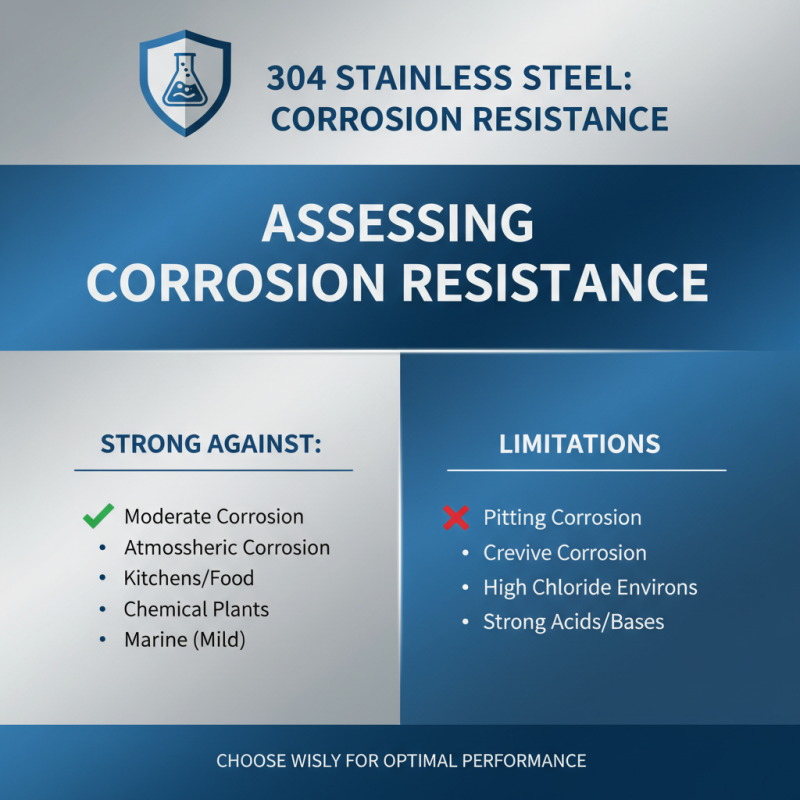
When selecting 304 stainless steel, assessing its corrosion resistance is crucial. This grade shines in environments with moderate corrosion risk. You’ll find it commonly used in kitchens, chemical plants, and marine applications. However, understanding its limits is essential. It performs well against general atmospheric corrosion but is not immune to pitting and crevice corrosion.
Consider the specific environment where your project will be located. High chloride levels can lead to unexpected corrosion issues. If your project is near salty water, choose wisely. Regular inspections and maintenance might be necessary. Sometimes, a different alloy could serve better in highly corrosive environments. Reflect on these factors when deciding on 304 stainless steel. It's not infallible, and your choice could affect the project's longevity. Keep this in mind as you make critical decisions.
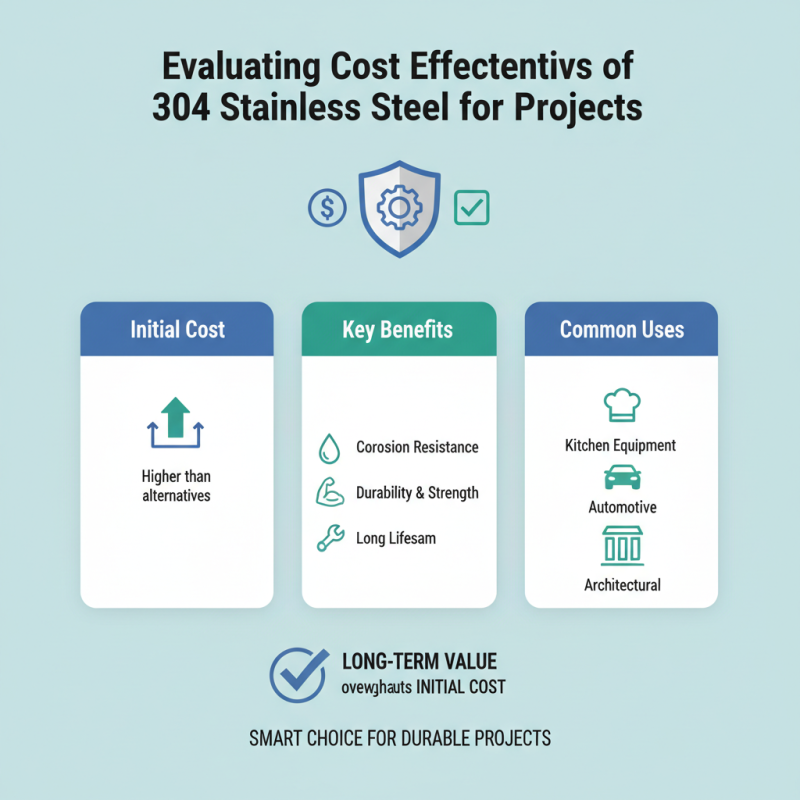
Evaluating Cost Effectiveness of 304 Stainless Steel for Projects
When choosing 304 stainless steel for your projects, evaluating its cost-effectiveness is essential. This type of steel is known for its corrosion resistance, durability, and strength. It's often chosen for kitchen equipment, automotive parts, and more. However, the initial cost can be higher than other materials.
Consider the long-term benefits. While 304 stainless steel may cost more upfront, it often reduces maintenance and replacement expenses. It withstands harsh environments, resulting in lower lifecycle costs. Think about how often you need to repair or replace cheaper materials. Those costs can add up quickly.
Yet, not all projects require such steel. For simpler applications, cheaper alternatives may suffice. Analyzing project requirements is key. Look at the environment, load requirements, and expected lifespan. Sometimes, the initial savings can lead to bigger losses later. Be cautious and reflective in your choices.
Analyzing Fabrication and Welding Characteristics of 304 Stainless Steel
When considering 304 stainless steel, understanding its fabrication and welding characteristics is essential. This alloy is known for its excellent corrosion resistance. However, it can be challenging to work with due to the risk of distortion during fabrication. Factors such as heat input and cooling rate can significantly affect your projects.
Welding 304 stainless steel requires proper techniques to avoid defects. For instance, the material can become sensitized if heated improperly. This sensitization makes the steel vulnerable to intergranular corrosion. Additionally, achieving the right joint design is crucial. Poor joint design can lead to weak welds and potential failures down the line.
While 304 stainless steel has many advantages, it’s not without limitations. Its low carbon content can reduce strength in some situations. Sometimes, choosing a different alloy for extreme conditions is necessary. The decision should always involve careful consideration of the project requirements and potential challenges.
Identifying Common Mistakes in Choosing 304 Stainless Steel Materials
When selecting 304 stainless steel for your projects, it’s crucial to avoid common mistakes. Many people overlook the importance of understanding the specific requirements of their applications. Not all 304 stainless steels are created equal. Some may have different properties that affect performance. For instance, the thickness and finish can significantly alter corrosion resistance. Assessing these details is the key to achieving the desired outcome.
Another frequent error is failing to consider environmental factors. The setting where the stainless steel will be used matters a lot. Stainless steel can behave differently in coastal areas compared to urban environments. High humidity and exposure to salt can accelerate corrosion. This oversight can lead to premature material failure. Many projects face costly repairs due to this oversight.
Regular maintenance is also a critical factor that often gets neglected. The proper care can prolong the life of 304 stainless steel significantly. Learning from these missteps can lead to more informed decisions.