What is a Rivet Nut and How is it Used in Fastening Applications?
Rivet nuts are essential components in various fastening applications. Experts estimate the global rivet nut market to reach USD 1.5 billion by 2028. This growth reflects a rising demand in automotive and aerospace industries. Derik Thompson, a noted industry expert, states, "Rivet nuts simplify the assembly process and enhance structural integrity."
In recent years, the use of rivet nuts has gained prominence. Manufacturers prefer them for their ease of installation, especially in thin materials. These fasteners offer strong load-bearing capabilities while reducing weight. Despite their advantages, some challenges remain. For instance, improper installation can lead to failure. Technicians must ensure correct tooling and alignment when using rivet nuts.
Quality control measures are crucial in the production of rivet nuts. Variations in material and design can affect performance. The industry needs to address these inconsistencies for better reliability. Overall, the rivet nut serves as a bridge in modern fastening solutions, yet there's room for improvement in application techniques.

What is a Rivet Nut?
A rivet nut is a specialized fastener used for joining materials. It is often referred to as a blind rivet nut or threaded insert. These nuts provide a strong, secure threaded hole in thin or soft materials, where conventional screws or bolts may not work well. They have flanges that expand when installed, allowing them to grip tightly within the material.
In practical terms, rivet nuts are versatile and user-friendly. They are commonly used in automotive, aerospace, and furniture applications. Installation is relatively quick, requiring only basic tools. This makes them an attractive option for DIY enthusiasts and professionals alike. However, improper installation can lead to slippage or failure, urging careful attention during the process.
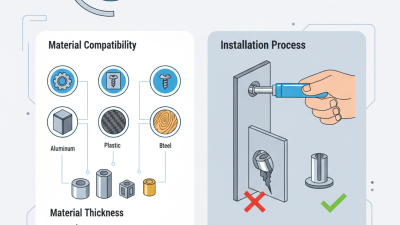
The materials used for rivet nuts vary, each serving different purposes. Aluminum, steel, and brass are common choices. Each material has its strengths and weaknesses. Choosing the right one can greatly affect the performance of the assembly. Mistakes in selection can lead to unexpected challenges. Understanding these factors can provide better results in fastening applications.
What is a Rivet Nut and How is it Used in Fastening Applications?
| Dimension |
Description |
Common Materials |
Usage Areas |
Installation Method |
| M3 |
Small diameter rivet nut, suitable for light applications |
Aluminum, Zinc-plated Steel |
Electronics, Lightweight Panels |
Installation with hand tools or pneumatic tools |
| M5 |
Medium diameter rivet nut, versatile for various materials |
Stainless Steel, Aluminum |
Automotive, Home Appliances |
Hydraulic or Electric Installation Tools |
| M8 |
Larger diameter rivet nut, used in heavy applications |
Carbon Steel, Brass |
Construction, Machinery |
Specialized Riveting Tools |
| M10 |
Heavy-duty rivet nuts for robust applications |
High-Strength Alloy Steel |
Industrial Equipment, Aerospace |
Mechanical Installation Tools |
Construction and Design of Rivet Nuts
Rivet nuts are versatile fasteners used in various applications. They allow for secure joining of materials without having threads on both sides. The construction of rivet nuts includes a barrel and a flange. The barrel is often made of steel, aluminum, or plastic. The flange provides a surface for anchoring.
When installing rivet nuts, proper tools are essential. A rivet nut installation tool will help create the necessary deformation. This deformation expands the nut behind the material, securing it in place. Attention to detail is crucial. Misalignment or over-tightening can lead to failure.
Tips: Always choose the right size of rivet nut for your project. Measure the thickness of the materials first. Consider the load the fastener will bear. Frequent checks for wear or loosening are smart.
The design of rivet nuts allows for efficient fastening. They can be used in thin panels and composite materials. However, they may not be ideal for very high-stress applications. Assess your specific needs before using them.
Applications of Rivet Nuts in Various Industries
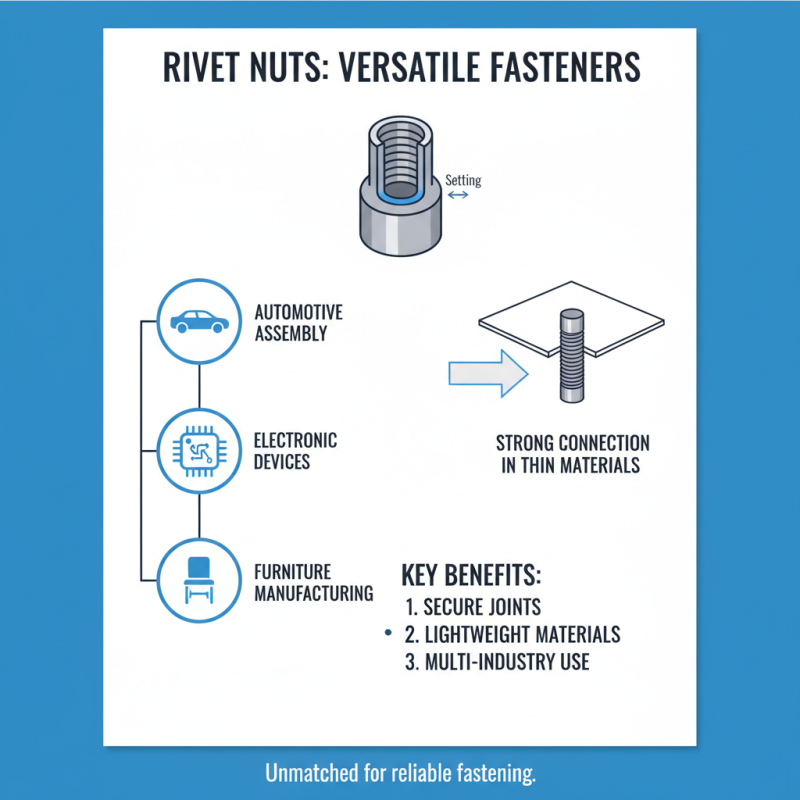
Rivet nuts are versatile fasteners widely used across many industries. These nuts provide a strong connection in thin materials, making them ideal for numerous applications. You can find them in automotive assembly, electronic devices, and even furniture manufacturing. Their ability to create secure joints in lightweight materials is unmatched.
In automotive engineering, rivet nuts support body panels and internal components. They are efficient and save weight, which is crucial for fuel economy. However, poor installation can lead to loose or ineffective joints. Users must ensure correct tool settings for optimal results.
In the aerospace industry, rivet nuts are essential for securing parts without adding significant weight. This lightweight characteristic is a game-changer. Yet, one must remember that material selection is critical. A mismatch could compromise strength. So pay attention to specifications.
**Tip:** Always verify the hole size before installation. Too large can lead to failure.
Rivet nuts are also popular in furniture design, allowing easy assembly and disassembly. This flexibility is ideal for flat-pack items. However, some users overlook the alignment, resulting in misaligned parts. Adjusting before securing is vital.
**Tip:** Regularly inspect your tools and techniques. Small errors can lead to bigger problems.
Installation Techniques for Rivet Nuts
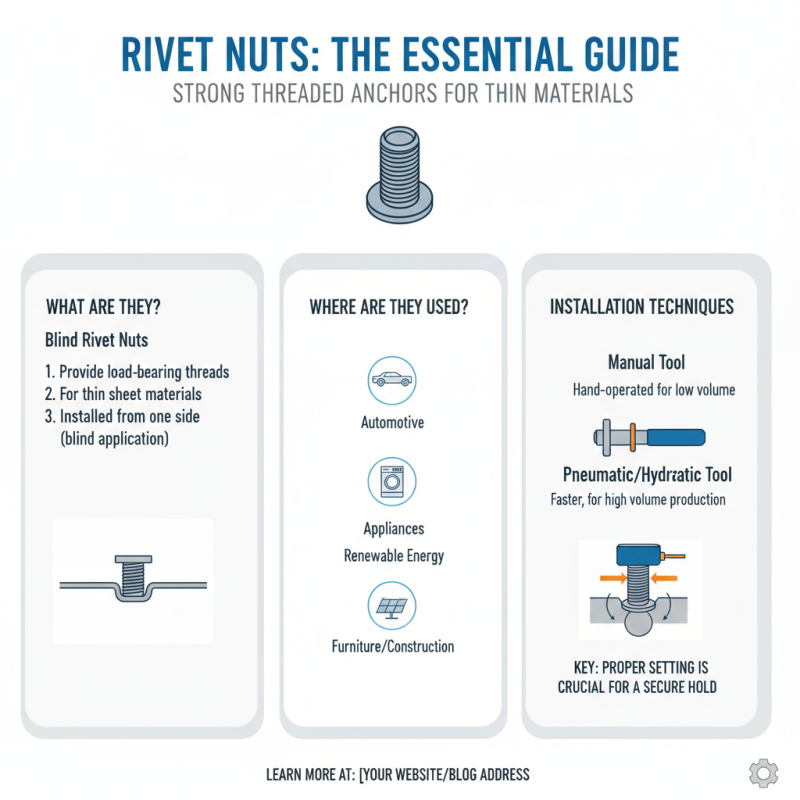
Rivet nuts, also known as blind rivet nuts, are essential in various industries. They provide a strong, threaded anchor in thin materials. Their installation is crucial for a secure hold. Understanding the techniques can improve their effectiveness.
One common method is using a manual tool for installation. This requires careful positioning. The rivet nut is placed in a pre-drilled hole. The tool then expands the nut, creating a sturdy grip. This method may seem straightforward but can lead to misalignment. Proper calibration is vital, as a misplaced nut can weaken the connection.
Hydraulic tools are another option. They offer greater force and precision. Data shows that hydraulic installation can increase fastening strength by up to 30%. However, they come with a learning curve. Workers may require training to ensure optimal use. Ultimately, choosing the right installation technique is key. Adapting the approach based on the specific material and project can make a significant difference in performance.
Advantages and Limitations of Using Rivet Nuts
Rivet nuts are versatile fasteners used in various applications. They provide a strong threaded connection in thin materials. This is particularly useful in automotive and aerospace industries. However, they come with both advantages and limitations.
One major advantage is ease of installation. Rivet nuts can be installed quickly, saving time in manufacturing. They also distribute load evenly. This feature prevents surface damage. However, if not installed correctly, they can strip or misalign. The user must ensure proper tooling and technique to avoid this issue.
Limitations include their suitability for specific materials. Rivet nuts may not perform well in brittle or fragile surfaces. Over-tightening can lead to failure. Additionally, they require access to both sides of the material. This can be a challenge in certain applications. Balancing these pros and cons is essential for effective use.
Advantages and Limitations of Using Rivet Nuts