10 Essential Tips for Choosing the Right Steel Cable Clamps?
Choosing the right steel cable clamps is crucial in various applications, from construction to manufacturing. According to a report by MarketsandMarkets, the global steel cable clamp market is projected to reach $2.3 billion by 2025, reflecting its growing importance. This growth is fueled by the demand for durable and reliable fastening solutions.
Steel cable clamps play a vital role in ensuring safety and integrity in cable management. Choosing the wrong clamp can lead to failures and costly repairs. Industry surveys show that over 30% of users encounter issues due to improper selections. It's important to consider factors like load capacity, material quality, and environmental conditions before making a decision.
Finding the right clamp isn’t as straightforward as it seems. Many products look similar but differ significantly in performance. Users should reflect on their specific needs and usage scenarios. Small mistakes in selection can result in significant risks and inefficiencies. Making informed choices about steel cable clamps will ultimately enhance project success and safety.
Understanding the Different Types of Steel Cable Clamps and Their Uses
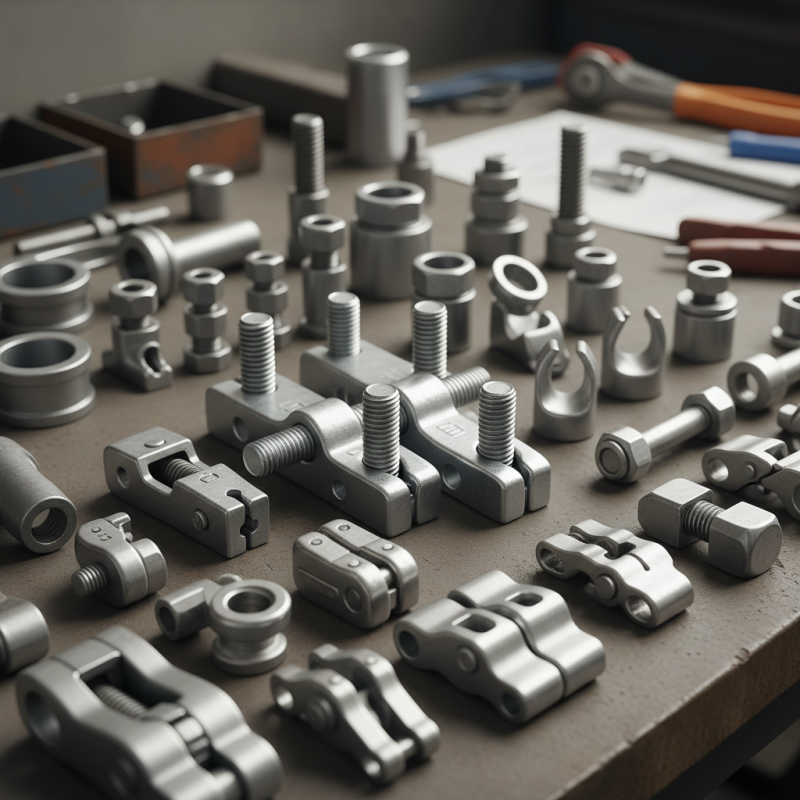
When selecting steel cable clamps, understanding their types is crucial. Various kinds exist, each suited for specific applications. For example, U-bolt clamps are popular for securing cables tightly. They are easy to install and reliable. However, they might not work well in high-vibration environments.
Swage clamps provide a sleek and permanent solution. They require special tools for proper installation, which can be a hurdle for DIY enthusiasts. For temporary use, rope clamps are practical. They can handle different cable sizes but may need frequent adjustments.
Choosing the right clamp isn't just a matter of preference. Material quality matters immensely. Some low-cost options may rust quickly. Think about the environment too. Humid or coastal areas can expedite wear and tear. Always weigh ease of use against durability. This reflective approach is vital for ensuring safety and efficiency in various projects.
Selecting the Right Size and Measurement Standards for Cable Clamps
Selecting the right size for steel cable clamps is crucial for safety and performance. The American Society for Testing and Materials (ASTM) suggests specific measurement standards that must be adhered to. For instance, clamps should ideally match the cable diameter closely. This ensures a tight grip, preventing slippage. Common diameters for cables range from 1/8 inch to just over 1 inch.
Understanding the difference between nominal and actual sizes is vital. Nominal sizes may not always reflect the actual measurement of the cable. A report from the International Organization for Standardization (ISO) highlights that poor sizing can result in 20% of clamp failures in industrial settings. This is alarming and underscores the need for careful measurement.
Moreover, inspecting the cable material is equally important. Different materials have distinct properties, affecting the clamp's performance. Testing by various industry leaders shows that the incorrect clamp can lead to rapid wear and tear. Aim for precision with measurements to avoid costly mistakes. Keep in mind that even minor discrepancies can have significant repercussions.
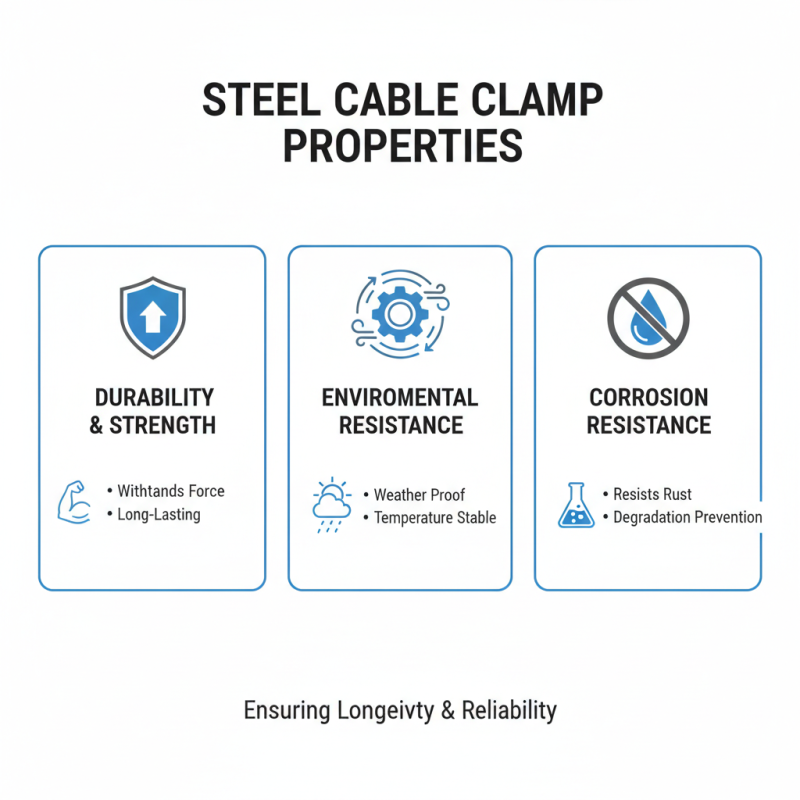
Durability and Corrosion Resistance: Important Considerations for Steel Clamps
When selecting steel cable clamps, durability is paramount. Steel is inherently strong, but not all steel is created equal. For optimal performance, look for clamps that are constructed from high-quality stainless steel. Stainless steel offers a strong resistance to various environmental factors, ensuring longevity and reliability.
Corrosion resistance is another crucial aspect. Exposed to moisture, steel can rust and lose its integrity. It’s important to choose clamps that feature a protective coating. This may include galvanization or other treatments designed to keep moisture at bay. While these features are helpful, it’s worth noting that they may wear off over time. Periodic inspections can help catch issues early.
In practical applications, the environment plays a critical role in clamp selection. For outdoor use, consider factors like humidity and salt exposure. These conditions can degrade weaker materials quickly. Sometimes, the best choice may not be the shiniest. Choosing the right clamp means balancing cost and quality, which can often lead to tough decisions. Remember, investing in durability saves time and headaches later.
Durability and Corrosion Resistance of Steel Cable Clamps