How to Choose the Right Clevis Hook for Your Needs?
Choosing the right clevis hook can significantly impact safety and efficiency in various lifting applications. According to industry reports, the global clevis hook market is expected to grow at a CAGR of 5.4% over the next five years. This underscores the importance of selecting high-quality equipment, as improper choices can lead to accidents or damage.
Components and designs of clevis hooks vary widely. Understanding these differences is crucial. For instance, some hooks are rated for lighter loads, while others can handle heavy-duty applications. An unsuitable clevis hook may fail under stress, leading to catastrophic consequences. Therefore, users must consider their specific needs, including load capacity and environmental factors.
Additionally, the choice of materials and certifications affects performance. Hooks made from high-strength steel offer durability, but not all products meet the necessary safety standards. Regular inspection of hooks is essential, even if they appear intact. Taking the time to choose the right clevis hook can save money and enhance operational safety.
Understanding Clevis Hooks: Types and Applications
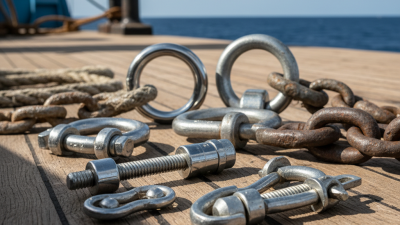
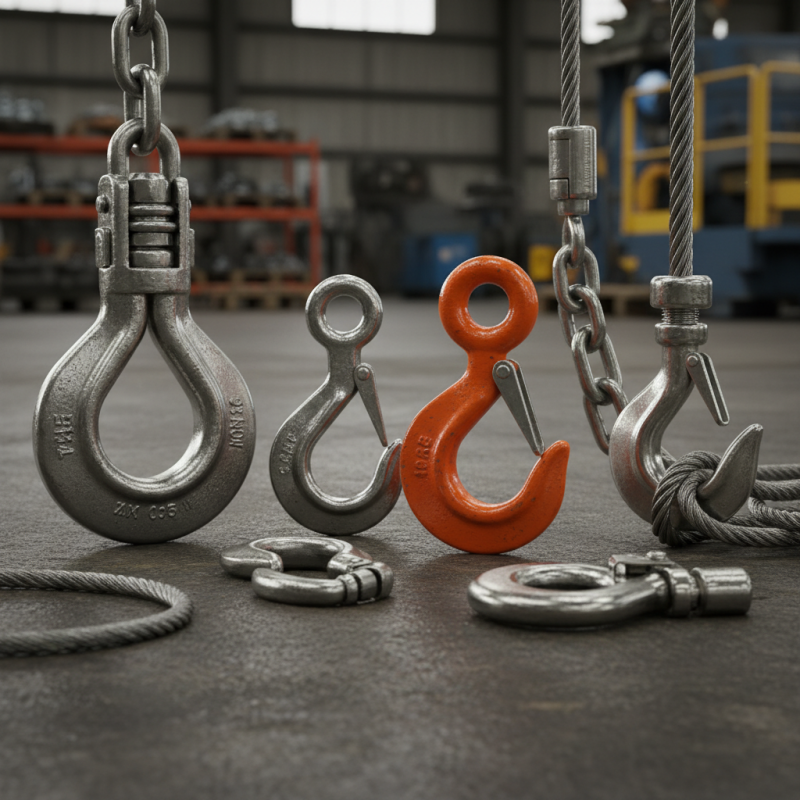
Clevis hooks are essential tools in various applications. They connect devices with chains or ropes. Understanding the types of clevis hooks can help you make the right choice.
There are several types of clevis hooks, each designed for specific uses. For instance, a common clevis hook is the standard hook. It is ideal for general lifting. Another type is the safety clevis hook. This one includes a locking mechanism to prevent accidental disconnections. Choose based on your specific needs, and ensure that the hook’s load capacity matches your requirements.
Tips: Always check the material of the hook. Steel is robust but heavy. Aluminum is lighter but may not carry heavy loads. Also, inspect the hook regularly for wear and tear. A damaged hook can be dangerous. Even small cracks can compromise strength. Be cautious and replace any worn hooks promptly. Consider your environment too. Hooks exposed to corrosive conditions need special materials.
Clevis Hook Types and Their Applications
Key Factors to Consider When Choosing a Clevis Hook
When selecting a clevis hook, several key factors should guide your decision. The working load limit (WLL) is critical. According to industry standards, the WLL should be at least five times the weight of the load being lifted. For instance, if you are lifting 500 pounds, the clevis hook should have a minimum WLL of 2,500 pounds. This ensures safety during operations.
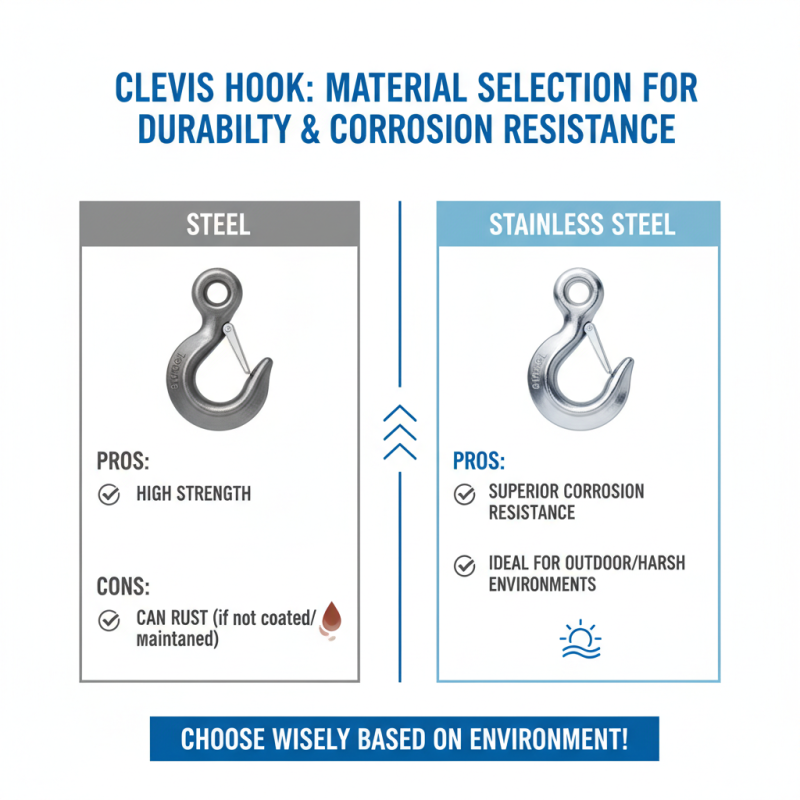
Another important aspect is the material of the clevis hook. Steel is commonly used due to its high tensile strength. Reports show that carbon steel hooks can withstand substantial forces. However, they may rust if not properly maintained. Thus, some users might consider stainless steel options. They are resistant to corrosion but can be more costly.
Compatibility with your system is also crucial. Ensure the hook fits your specific rigging configuration. Misalignment can lead to failures. It's not uncommon for users to overlook this, leading to potential accidents. Always verify that the hook matches the requirements of your application. Paying attention to these factors can significantly enhance safety and efficiency in your lifting tasks.
Assessing Load Capacity and Strength Requirements
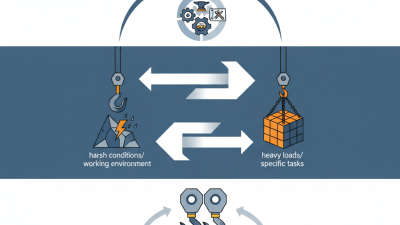
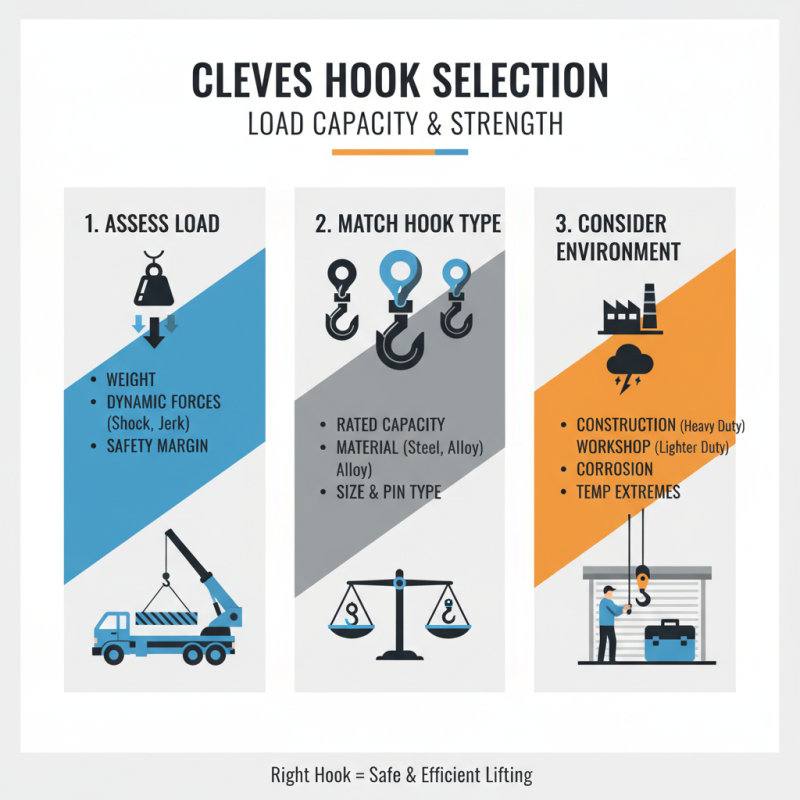
Choosing the right clevis hook starts with assessing your load capacity. This involves understanding the weight and the dynamic forces that can affect your application. A clevis hook needs to match not just the weight of the load but also the working environment. For example, a heavy-duty hook is crucial for lifting equipment in construction but might be overkill for lighter tasks in a workshop.
Consider the materials involved. Hooks made from high-grade steel provide higher strength and better resistance to wear. However, their weight might affect handling during use. Balancing strength with practicality can be challenging. A hook that is too light may not hold up under strain. On the other hand, a hook that is excessively robust could hinder maneuverability.
Testing the chosen hook under different conditions can reveal its reliability. Pay attention to any signs of wear over time. If a hook shows deformation or excessive rust, it may not be meeting your needs. Reliable service often stems from consistent inspections and adjustments based on performance. Assessing load capacity is an ongoing process, requiring critical evaluation and perhaps, a bit of trial and error.
Material Selection for Durability and Corrosion Resistance
When selecting a clevis hook, material choice is crucial. Different materials offer varied levels of durability and resistance to corrosion. Steel is a popular option due to its strength. However, it can rust if not properly coated or maintained. Stainless steel offers better corrosion resistance, making it suitable for outdoor or harsh environments. It's essential to consider the conditions where the hook will be used.
For marine applications, specifically, a weather-resistant material is critical. Some hooks use high-grade aluminum, which is lightweight yet strong. However, aluminum may not be as durable as stainless steel for heavy loads. Inspecting the specifications for load ratings and applications can help ensure you make an informed choice. Reflecting on past experiences with failures may shed light on the importance of this decision. What materials did you use that didn’t stand up?
Ultimately, balancing strength and resistance is key. Opting for a material that suits your specific needs will enhance performance. Keep in mind that initial costs can often lead to better long-term reliability. Consider seeking expert advice to clarify your choices, especially if your application involves significant loads or unique environments.
Essential Safety Standards and Compliance for Clevis Hooks
When selecting a clevis hook, understanding essential safety standards is crucial. Safety compliance ensures that the hook can handle specific loads without failure. Look for hooks that meet industry standards such as those set by OSHA and ASTM. These standards provide guidelines on material strength, design, and load capacities. Using compliant equipment can prevent accidents and injuries during lifting operations.
The design and materials of clevis hooks also impact safety. For instance, hooks made from high-quality steel tend to be more reliable. However, some consumers overlook factors like corrosion resistance. Environmental conditions can weaken less durable products over time. Regularly inspecting hooks for wear and tear is critical, as unseen damage can lead to catastrophic failures.
Many users experience uncertainties regarding proper usage. Even a compliant hook can be misused, leading to accidents. It’s vital to ensure compatibility with load types and rigging configurations. Documentation and user education play significant roles in safety. Clear instructions should accompany all hardware. Taking these precautions can greatly enhance safety and performance in any lifting application.
How to Choose the Right Clevis Hook for Your Needs? - Essential Safety Standards and Compliance for Clevis Hooks
| Feature |
Description |
Safety Standard |
Load Capacity (lbs) |
| Material |
Commonly made from carbon steel or alloy steel for strength. |
ASTM A1023 |
5,000 - 20,000 |
| Hook Type |
Clevis, grab, and lug types available for various applications. |
ASME B30.10 |
1,000 - 15,000 |
| Finishing |
Coated or painted for corrosion resistance. |
ISO 9001 |
2,000 - 10,000 |
| Compatibility |
Should match the linkage and chain system used. |
EN 818-1 |
3,000 - 16,000 |
| Testing |
Must be tested for strength and reliability. |
ASTM F882 |
1,500 - 12,000 |