How to Choose and Use a Rivet Nut for Your Project?
Choosing the right rivet nut can significantly impact your project's success. Rivet nuts, also known as insert nuts, are essential for creating strong, threaded holes in thin materials. They allow you to attach components securely, ensuring durability and reliability.
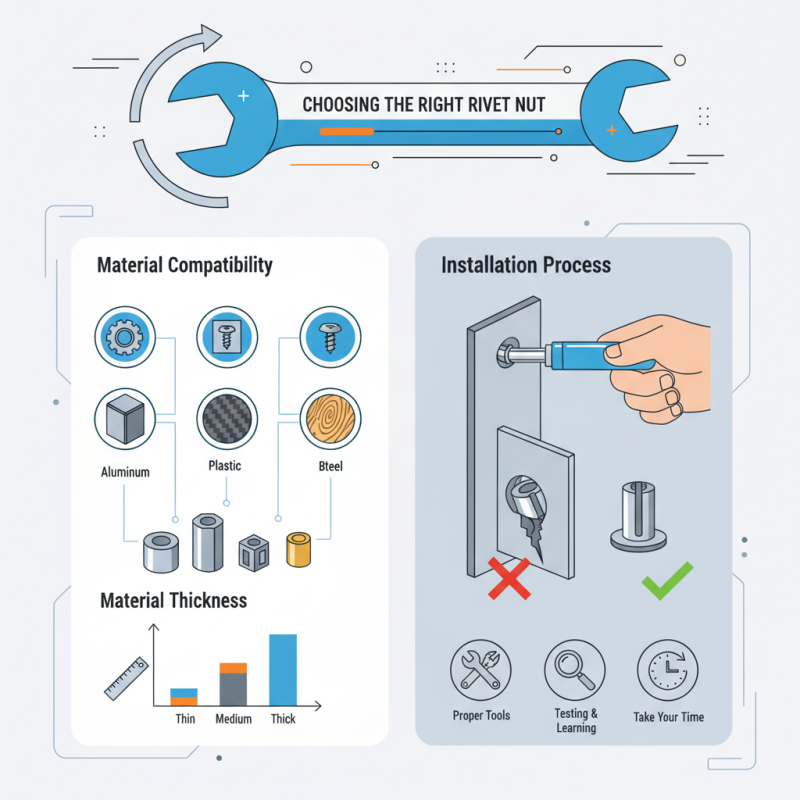
When selecting a rivet nut, consider the material it will be used with. Each material has its own compatibility, and choosing wrong could lead to failures. It's crucial to evaluate the thickness of your base material as well. The wrong thickness may compromise strength.
Installation can be tricky. Proper tools are necessary for achieving the best results. Many people make mistakes here, leading to potential rework. Testing different products may be helpful, but it requires time and resources. The learning curve is often steep, and some may feel overwhelmed. Don’t rush; take the time to understand how a rivet nut works to avoid frustrations in your project.
Understanding Rivet Nuts: Definition and Applications in Various Industries
Rivet nuts, often called threaded inserts, are versatile fasteners used in various industries. They provide a strong, permanent thread in materials that are too thin or weak to tap. Common applications include automotive, aerospace, and electronics. You can find them in brackets, panels, and enclosures. Their design allows for easy installation, but choosing the right one can be tricky.
When selecting a rivet nut, consider material and size. Aluminum, steel, and brass are popular choices. Each has unique properties for specific applications. A brass rivet nut might corrode in certain environments. Steel offers strength but can be heavy. Sometimes, you may find that your initial choice doesn't work as expected. It’s worth experimenting with different types. Remember, installation methods can vary too. Some require a specific tool or technique to prevent failures. Planning ahead can save you time and frustration later on.
How to Choose and Use a Rivet Nut for Your Project?
| Dimension |
Material |
Finish |
Load Capacity (lbs) |
Common Applications |
| M5 |
Steel |
Zinc Plated |
300 |
Automotive, Electronics |
| M6 |
Aluminum |
Anodized |
250 |
Aerospace, Furniture |
| M8 |
Brass |
Natural |
400 |
Marine, Industrial |
| M10 |
Stainless Steel |
Passivated |
500 |
Construction, HVAC |
Key Considerations for Selecting the Right Rivet Nut for Your Project
Choosing the right rivet nut for your project involves careful consideration. Start by identifying the materials you'll be working with.
Different materials require specific rivet nut materials. Aluminum, steel, and brass are common choices. Each offers unique benefits in terms of strength and weight.
Next, think about the size. Measure the thickness of the material where you plan to install the rivet nut.
This measurement is crucial for ensuring a secure fit. A rivet nut that is too large can cause damage, while one that is too small may not hold securely.
Lastly, consider the application. Will the rivet nut be exposed to heavy loads or vibrations?
If so, look for options designed for high-stress environments. However, some users may rush this decision. They might choose based solely on cost, which can lead to future problems. Take the time to research and reflect on your choices for the best results.
Installation Techniques: Steps to Properly Use Rivet Nuts
When it comes to installing rivet nuts, following the right technique is crucial. Proper installation ensures a strong and reliable hold, which is essential in various projects. According to industry reports, improper installation can lead to a staggering 30% failure rate in mechanical assemblies. Therefore, attention to detail is vital.
Begin with selecting the correct rivet nut size and type. Ensure that the hole diameter matches the specifications of the rivet nut. Insert the nut into the pre-drilled hole without force. It should fit snugly but not require excessive pressure. Using the right tool, often a blind rivet tool, apply consistent pressure to ensure the nut expands adequately behind the material. If the material is thin, do not crush it.
Tip: Always practice on scrap material first to get a feel for the process. Ensure your work area is clean to prevent material debris from impacting installation quality.
After installation, test the nut’s strength by applying pressure. If it spins or moves, it may not have been installed correctly. Adjustments may be needed, or you might need to start over. Patience is key. Measuring and re-checking before the final assembly can save significant hassle later. Understanding these nuances can lead to a more successful project outcome.
Material Compatibility: Choosing between Aluminum, Steel, and Plastic Rivet Nuts
When choosing a rivet nut, material compatibility is crucial. Aluminum rivet nuts are lightweight and resistant to corrosion. They work well in applications where weight matters. However, they can be less durable under heavy loads. Steel rivet nuts provide strong fastening. They are ideal for structural applications and can handle greater forces. Yet, they are prone to rust if not protected.
Plastic rivet nuts are a unique choice. They are non-corrosive and lightweight. These nuts can be effective in electrical or moisture-sensitive environments. However, their strength is limited compared to metal versions. Choosing the right material depends on the project specifics. Think about weight, strength, and environmental factors.
It's important to reflect on your project's needs. Test various materials if possible. A rivet nut that seems perfect might not perform well under actual conditions. Each material has pros and cons. Make decisions after considering usability and long-term effects. Be prepared to adjust based on real-world feedback.
Inspection and Maintenance: Best Practices for Rivet Nut Longevity and Performance
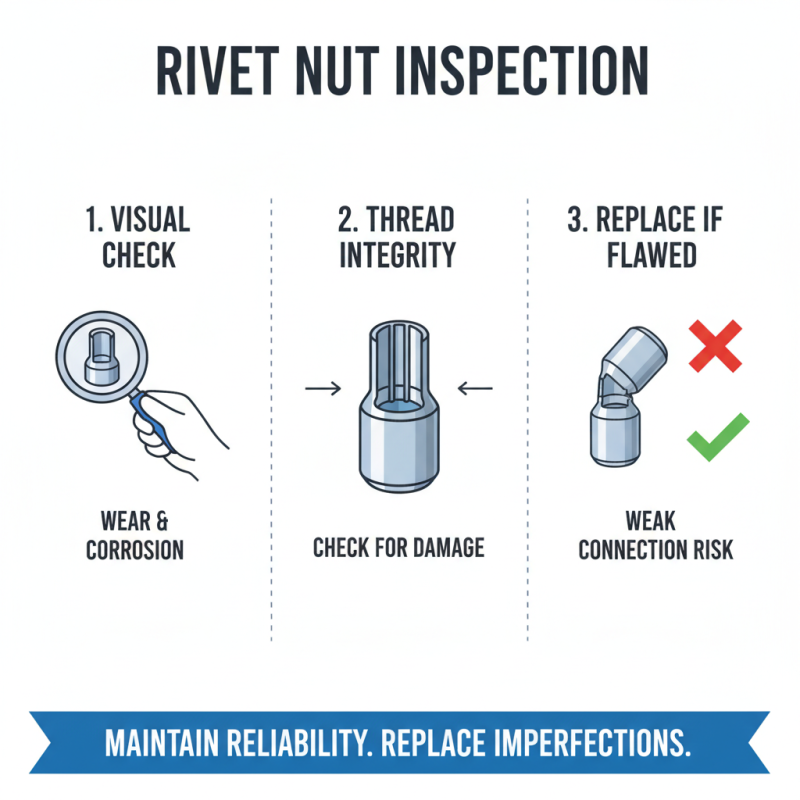
When using rivet nuts, regular inspection is crucial. Look for signs of wear or corrosion. Check the threads for damage. A worn thread can lead to weak connections. If you discover any imperfections, it’s time to replace the rivet nut.
Maintenance is often overlooked. Clean the rivet nuts before installation. Use an appropriate solvent to remove debris. This helps ensure a snug fit. After installation, consider applying a light lubricant. It can prevent rust and improve longevity. Proper care can significantly enhance performance.
Remember, proper storage matters too. Keep rivet nuts in a dry, cool place. Moisture can cause rusting and degradation. Over time, even unused rivet nuts may fail if stored incorrectly. Being aware of these factors can lead to better project outcomes. Small details make a big difference.