Why Choose Stainless Steel Railing Systems for Your Project?
When considering materials for your next project, stainless steel railing systems deserve your attention. They combine durability with aesthetic appeal, making them a popular choice in modern architecture. With their resistance to rust and corrosion, these systems can endure harsh weather conditions. This durability means less frequent replacements, saving you money in the long run.
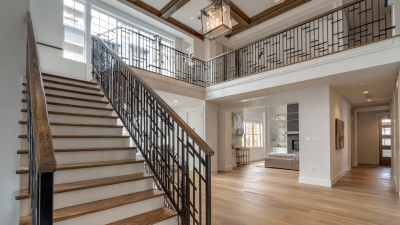
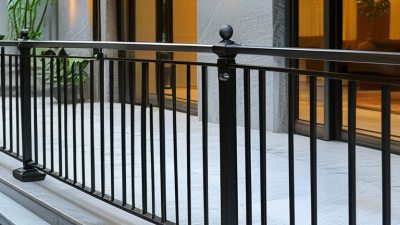
Stainless steel railing systems also offer versatile design options. They can be sleek and minimalistic or more intricate, fitting various styles. These railings enhance safety without compromising on style. Their clean lines provide a contemporary look, making them suitable for both residential and commercial spaces.
However, it's essential to weigh the installation process and cost. While initially more expensive, they can be a worthwhile investment. With proper care, stainless steel railings can maintain their appearance for decades. Reflecting on your project needs will help you determine if this choice meets your expectations.
Benefits of Using Stainless Steel Railing Systems in Construction
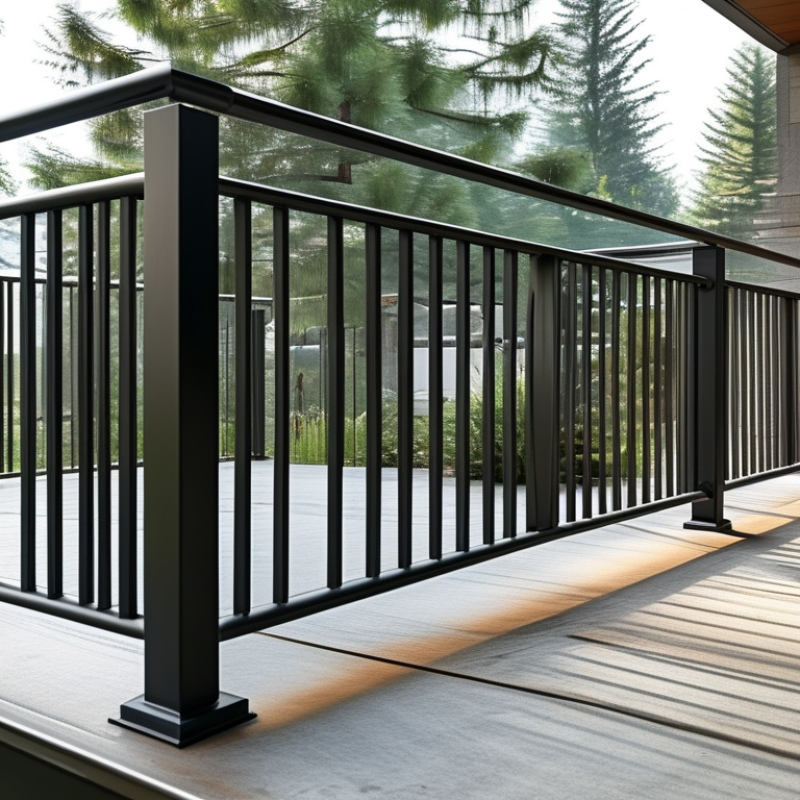
Stainless steel railing systems have become a popular choice in construction due to their numerous benefits. They offer inherent durability that can extend the lifespan of your project. According to a report by the American Institute of Steel Construction, stainless steel can last up to 50 years or more with proper maintenance. This longevity reduces replacement costs and contributes to lower life-cycle expenses.
Safety is another critical advantage. Stainless steel railings provide robust support and can withstand harsh weather conditions, making them ideal for both residential and commercial spaces. A study by the National Safety Council reveals that a well-designed railing system can prevent over 60% of potential falls. This statistic highlights the importance of integrating high-quality materials in safety features of construction.
When choosing materials, consider the aesthetic appeal. Stainless steel offers a sleek, modern look that can enhance the overall design. Its reflective surface adds an element of sophistication, making it suitable for various architectural styles. However, be mindful of maintenance; fingerprints and smudges can be noticeable. Regular cleaning ensures the material looks its best.
Select the right grades of stainless steel for your environment. For coastal areas, higher-grade options like 316 stainless steel provide better corrosion resistance. Tailoring your decisions to specific conditions can prevent future challenges.
Why Choose Stainless Steel Railing Systems for Your Project?
| Benefit |
Description |
Durability |
Maintenance |
| Corrosion Resistance |
Stainless steel is highly resistant to rust and corrosion, making it ideal for various environments. |
Excellent |
Low |
| Aesthetic Appeal |
Offers a modern and sleek design that complements various architectural styles. |
Good |
Moderate |
| Strength and Stability |
Provides high strength and stability, ensuring safety and security for users. |
Excellent |
Low |
| Versatility |
Can be used in various applications, including residential, commercial, and industrial projects. |
Good |
Moderate |
| Eco-Friendly |
Recyclable material that contributes to sustainable construction practices. |
Good |
Low |
Comparative Analysis: Stainless Steel vs. Other Railing Materials
When considering railing systems, stainless steel stands out due to its unique properties. Compared to wood, stainless steel does not warp or decay. This makes it a more reliable option for outdoor settings. It can endure harsh weather without losing its structural integrity. While wood may offer a warm aesthetic, it requires regular maintenance that can be costly and time-consuming.
Aluminum is another popular alternative, but it lacks the strength of stainless steel. Over time, aluminum can bend and lose its shape under stress. Stainless steel, on the other hand, provides not only strength but also a sleek and modern appearance. Although more expensive upfront, stainless steel’s durability makes it a cost-effective choice in the long run.
However, some may find stainless steel more challenging to clean compared to other materials. Fingerprints and smudges can easily appear on its surface. Yet, with regular cleaning, these issues are manageable. Choosing stainless steel is about prioritizing long-term value and structural reliability over instant aesthetics. This decision reflects a commitment to quality and lasting performance in your project.
Durability and Maintenance of Stainless Steel Railing Systems
Stainless steel railing systems stand out for their exceptional durability and low maintenance requirements. These railings can withstand harsh weather conditions, resisting rust and corrosion. Whether in coastal areas or urban environments, stainless steel maintains its integrity over time. The material’s strength offers safety without compromising aesthetics.
Moreover, maintenance is straightforward. Regular cleaning with soap and water keeps the railings looking new. Occasional polishing can enhance shine and remove stubborn stains. However, many overlook the importance of preventive care. In some cases, neglecting minor maintenance can lead to larger issues down the line, such as scratches or discoloration.
While stainless steel is robust, it is not impervious to damage. Improper installation can compromise the railing’s function. It’s essential to follow best practices during setup to avoid future problems. Educating installers on proper techniques helps ensure long-lasting results. Ultimately, investing in stainless steel railing systems means prioritizing both durability and an attractive, easy-to-maintain solution for any project.
Design Versatility and Aesthetic Appeal of Stainless Steel Railings
Stainless steel railings stand out for their design versatility and aesthetic appeal. Their sleek, modern appearance seamlessly fits a variety of architectural styles. According to a recent industry report, stainless steel's demand in railing applications has increased by over 25% in the past five years. This growth is driven by its clean lines and ability to enhance both residential and commercial spaces.
Durability adds to their charm. Stainless steel resists corrosion and requires minimal maintenance, reducing long-term costs. For instance, railings made from stainless steel can last up to 30 years with proper care. The material's reflective surface also creates an illusion of more space, making it an ideal choice for smaller areas. However, one must consider that improper installation can lead to unsightly gaps or misalignment, which can detract from the overall effect.
Beyond functionality, stainless steel can be customized with various finishes and styles. Matte finishes can evoke a more contemporary style, while polished surfaces enhance a sleek look. While these options provide endless creative freedom, the wrong choice may clash with surrounding design elements. Understanding the balance between individuality and harmony within a space remains essential in the design process.
Cost-Effectiveness and Long-Term Value of Stainless Steel Railings
Stainless steel railing systems offer remarkable cost-effectiveness and long-term value for any project. These railings require minimal maintenance compared to other materials, such as wood or iron. Over time, the costs associated with repairs or replacements can add up significantly. For instance, wooden railings often rot or warp, necessitating early replacement. In contrast, stainless steel remains strong and reliable, even in challenging environments.
When choosing stainless steel, consider its durability. It withstands corrosion and rust, ensuring longevity. This material's strength means that you won’t need to replace it anytime soon. On the other hand, the initial investment may seem higher than other materials. However, this upfront expense is offset by its low maintenance costs and extended lifespan.
Reflect on project requirements when selecting railing materials. Analyze your budget and future maintenance needs. Stainless steel may save you money in the long run; however, evaluate whether it fits your overall design vision. Make informed decisions based on both aesthetics and practicality.