Top 10 Best Stainless Cable Options for Your Next Project?
When it comes to selecting materials for your next project, stainless cable is often a trusted choice. Its durability and resistance to corrosion make it ideal for various applications. Whether planning a construction, landscaping, or arts project, stainless cable provides strength and reliability.
However, not all stainless cables are created equal. You may encounter options with varying qualities and price points. It's essential to consider your specific needs, such as load-bearing capacity and environmental exposure. For instance, marine-grade stainless cables can withstand harsh coastal conditions. These choices may influence your project's final outcome significantly.
Navigating the variety of stainless cable options can be overwhelming. Sometimes, the best choice isn’t the most expensive one. Reflecting on what works for your design is key. With this in mind, explore the top 10 options available. Each has advantages and may suit different needs. Preparing yourself with knowledge will lead to a more successful outcome.
Understanding the Basics of Stainless Steel Cables and Their Applications
Stainless steel cables are known for their strength and versatility. They are widely used in various applications, from construction to marine environments. According to the Steel Research and Development Institute, stainless steel cables can exhibit tensile strength up to 270,000 psi. This quality makes them ideal for high-stress environments.
However, choosing the right stainless steel cable involves understanding its specific use case. For example, the type of stainless steel used can impact corrosion resistance. Grade 316 stainless steel is more resistant to saltwater corrosion, making it suitable for marine applications. In contrast, grade 304 offers good corrosion resistance but may not perform well in extreme conditions.
It's also essential to consider cable construction. Stainless steel cables can be constructed in various ways, including 7x19 and 6x36 configurations. Each construction style provides different flexibility and load-bearing characteristics. This knowledge is crucial when designing a system that requires specific movement or support. Ultimately, proper assessment of your project’s needs will guide you to the best choice in stainless steel cables.
Top 10 Best Stainless Cable Options for Your Next Project
| Cable Type |
Diameter (mm) |
Breaking Load (kg) |
Corrosion Resistance |
Applications |
| 7x7 Stainless Cable |
1.5 |
1200 |
High |
Pet Restraints, Marine Applications |
| 1x19 Stainless Cable |
2.0 |
1500 |
Very High |
Architectural Use, Rigging |
| 7x19 Stainless Cable |
3.0 |
3000 |
Excellent |
Construction, Elevators |
| Cable Railing |
4.0 |
1900 |
High |
Decking, Railing Systems |
| Aircraft Cable |
1.2 |
400 |
Moderate |
Aviation, Hoisting |
| T316 Stainless Steel Cable |
2.5 |
2000 |
Very High |
Marine, Outdoor Applications |
| Flex Steel Wire Rope |
5.0 |
2500 |
High |
Industrial, Cargo |
| Self-Supporting Cable |
3.5 |
1850 |
Excellent |
Telecommunications, Signage |
| Security Cable |
2.0 |
1400 |
High |
Safety, Securing Goods |
| Winch Cable |
6.0 |
3500 |
Very High |
Heavy Lifting, Towing |
Key Factors to Consider When Choosing Stainless Steel Cable Options
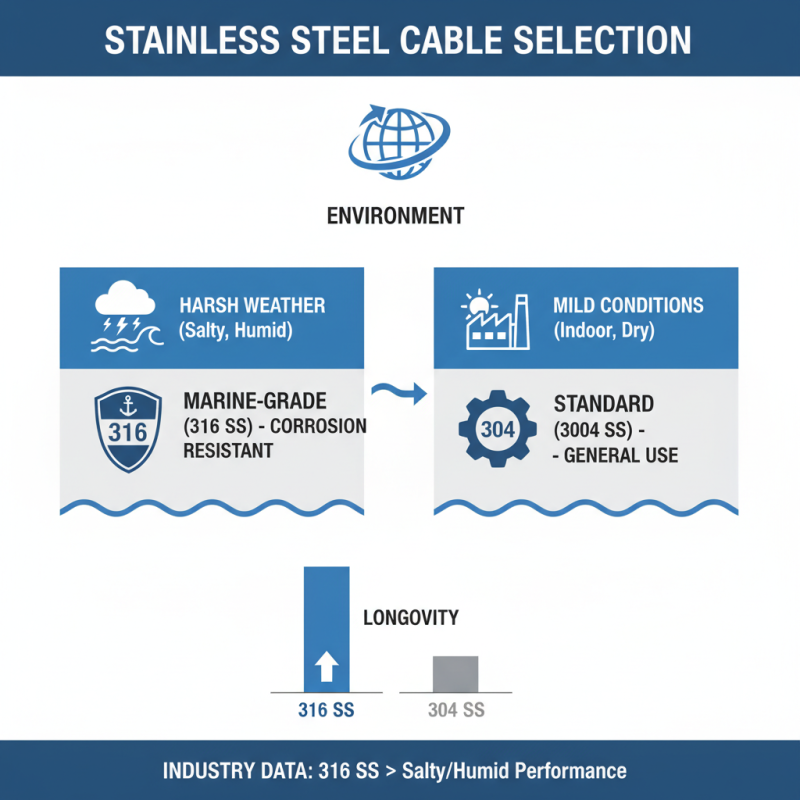
When selecting stainless steel cable options for your project, consider several key factors. The environment plays a crucial role. If the cable will face harsh weather, choose marine-grade stainless steel. This material resists corrosion and enhances longevity. Data from industry studies indicate that 316 stainless steel offers superior performance in salty and humid conditions.
Next, evaluate the cable's diameter and weight capacity. Larger diameters can carry heavier loads but may be less flexible. A report from the American Society of Civil Engineers suggests using cables with a minimum diameter of 1/8 inch for structural applications. Additionally, flexibility is vital for various applications, such as rigging or fencing. Some projects may require cables that bend easily around corners.
Lastly, take note of the manufacturing standards. Not all stainless steel cables are created equal. Quality varies significantly, and subpar options can lead to failures. An analysis shows that using cables from certified manufacturers increases safety and effectiveness by 30%. It's essential to choose wisely, considering both cost-effective options and quality assurance for lasting performance.
Top 10 Recommended Stainless Steel Cables for Various Projects
When selecting stainless steel cables for your next project, various options fit different needs. A versatile choice is the 1/8-inch diameter cable. It is strong yet flexible, making it ideal for outdoor applications. This thickness offers a balance of durability and weight, suitable for garden trellises or decorative railings.
Another option to consider is coated cables. They provide additional protection against corrosion and wear. Especially useful in marine environments, these cables can endure harsh elements. They might not look as sleek as bare steel, but their longevity speaks volumes. For decorative purposes, a polished finish may be appealing. However, it requires more maintenance and care.
Lastly, pay attention to cable strength ratings. Some projects may need specific tensile strengths, depending on the load. Always double-check specifications to avoid miscalculations. It’s crucial to choose cables wisely, as the wrong selection can lead to structural problems down the line. Reflect on the project requirements carefully; every detail matters.
Top 10 Best Stainless Cable Options for Your Next Project
This chart displays the tensile strength of various stainless steel cables based on their diameter. The tensile strength is crucial when selecting a cable for specific applications, ensuring that the cable can handle the required load.
Comparative Analysis of Different Stainless Steel Cable Types
When choosing stainless steel cables, the variety can be overwhelming. Different types serve unique purposes. It's essential to understand the differences to make the right choice for your project. For instance, 304 stainless steel is versatile and resistant to corrosion. However, it may not perform well in extreme environments.
On the other hand, 316 stainless steel offers enhanced resistance to saltwater. This makes it ideal for marine applications. Yet, it comes at a higher cost. The trade-off between price and durability is a crucial consideration. You may find that a cheaper alternative works for your needs, but it could fail sooner than expected.
Another factor to consider is cable diameter. Thicker cables offer greater strength but can be cumbersome. Conversely, thinner cables are less visible but may not handle heavy loads well. It's about balancing aesthetics and functionality. Take the time to weigh your options carefully. The perfect stainless steel cable is out there, but it's essential to consider all aspects before deciding.
Maintenance Tips for Ensuring Longevity of Stainless Steel Cables
Maintaining the longevity of stainless steel cables requires proactive care. Regular inspections can catch issues before they escalate. According to a report by the Steel Cable Systems Association, over 25% of failures in stainless steel cables result from corrosion. Keeping the cables clean can significantly reduce this risk.
Environmental factors play a crucial role in cable lifespan. For instance, locations near coastal areas expose cables to saltwater, accelerating corrosion. Applying protective coatings can be beneficial, but they might require reapplication every few years. A study from the International Organization for Standards indicates that properly maintained cables can last up to 50% longer than neglected ones.
While stainless steel is known for its durability, not all cables are created equal. Some might develop surface rust or pitting if not regularly monitored. This underscores the need for periodic maintenance checks. Incorporating practices like lubrication and tension adjustments improves performance. Ignoring these simple tasks can lead to costly replacements and project delays.