2026 Top Types of Anchor Shackles What You Need to Know?
Anchor shackles are essential tools in various industries. Understanding the top types of anchor shackles available in 2026 is crucial for safety and efficiency. These components are often used to secure chains, ropes, and other fastening mechanisms.
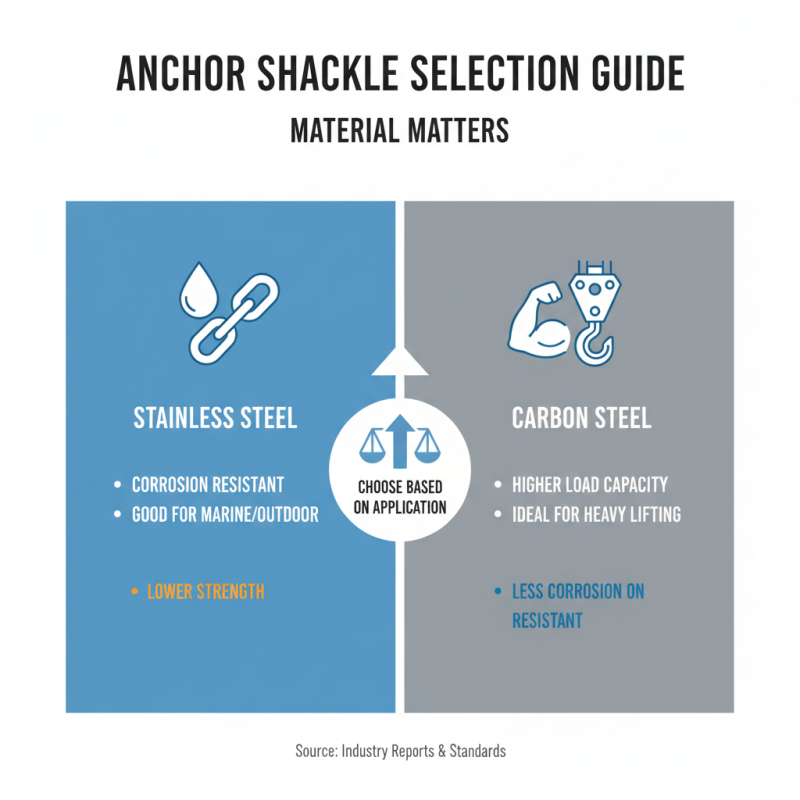
Choosing the right anchor shackle requires knowledge of their strengths and limitations. Stainless steel and galvanized options are common, each with unique benefits. For instance, stainless steel is more resistant to corrosion, while galvanized shackles are cost-effective.
However, not all shackles are equal. Some may fail under heavy loads or harsh conditions. Users need to consider factors like load ratings and material properties. It’s easy to overlook these details, yet they can lead to accidents. An informed choice can significantly impact safety and performance in your operations.
Types of Anchor Shackles: A Comprehensive Overview
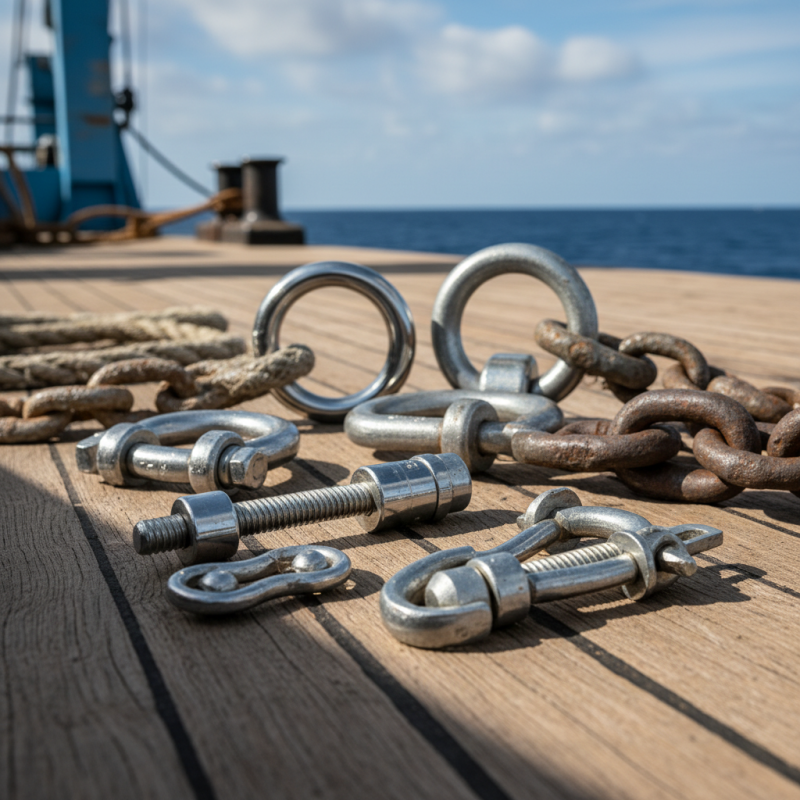
Anchor shackles are crucial in various industries, particularly in marine and construction sectors. They secure a connection between chains and anchors, ensuring stability and safety. Different types of anchor shackles serve unique purposes, which is essential to understand.
There are three main types of anchor shackles: U-shaped, D-shaped, and bow. U-shaped shackles are commonly used in lightweight applications. D-shaped shackles are efficient for heavy loads. Bow shackles provide versatility and can handle multiple connections. Each type has distinct strengths and weaknesses. Choosing the right one can be tricky. It’s important to consider load requirements and environmental factors.
Material matters too. Shackles are typically made from steel, aluminum, or plastic. Steel shackles are durable but heavy. Aluminum is lightweight but may not hold up under extreme conditions. Plastic shackles are rust-resistant but limited in load capacity. Users must frequently evaluate their needs and the conditions they work in. Testing and quality assurance cannot be overlooked. Making informed decisions leads to safer operations.
Key Features of Anchor Shackles: What to Look For
When choosing anchor shackles, understanding key features is essential. Material type plays a crucial role. Stainless steel is known for corrosion resistance. However, it’s not always the strongest option. Some reports show that carbon steel shackles have higher load-bearing capacities. This choice could be significant for heavy lifting tasks.
Load ratings are another critical factor. Shackles come with specific ratings to indicate their maximum load. Misjudging this can lead to failures. According to industry data, using a shackle with a lower rating than required can result in catastrophic events. Always check load limits before using a shackle.
Pin types also need consideration. Screw pins are generally more secure. They resist loosening over time. However, they can be cumbersome. Bolt-type pins offer ease of use but may not have the same security. Some professionals feel uncertain about which option to use. Evaluating each type’s pros and cons is necessary. Ultimately, this decision can impact safety and performance.
Materials Used in Anchor Shackles: Strength and Durability
When selecting anchor shackles, materials play a crucial role. Strong and durable shackles ensure safety. Common materials include steel and aluminum. Steel offers high tensile strength. It withstands heavy loads effectively. Aluminum, while lightweight, may not handle extreme weight but resists corrosion.
**Tips:** Always check load ratings. Lightweight shackles can be misleading. Choose wisely based on the environment and intended use.
Another important factor is the finish. Hot-dipped galvanized shackles resist corrosion. They endure harsh marine conditions. Stainless steel provides additional strength but can be more expensive. Pay attention to the shackle design as well. Bow shackles are versatile for various applications. D-shackles excel in strength but can cause wear on ropes.
**Tips:** Consider the working environment. Environment can influence material wear. Reflect on your specific needs before choosing the type.
2026 Top Types of Anchor Shackles: Materials, Strength, and Durability
This chart illustrates the strength and durability ratings of various materials used in anchor shackles, including Stainless Steel, Carbon Steel, Aluminum, and Galvanized Steel. Each material offers unique characteristics affecting its performance and application.
Applications of Anchor Shackles: Where and How They Are Used
Anchor shackles play a crucial role in various fields. They are essential in marine applications, construction, and lifting operations. In the marine industry, these shackles connect chains to anchors, ensuring boats remain secure. They withstand harsh environments, including saltwater and extreme weather.
In construction, anchor shackles are used for lifting heavy materials. They secure loads during transportation. However, not all shackles are created equal. The wrong type can lead to accidents. It's important to select the right shackle for the job. Factors such as load capacity and environmental factors should be considered.
Many industries rely heavily on these devices. Yet, some overlook their wear and tear. Regular inspections can prevent failures. Understanding how and where to use anchor shackles is vital. This not only safeguards the equipment but also protects everyone involved in the operation.
Safety Considerations: Ensuring Proper Use of Anchor Shackles
When using anchor shackles, safety should be a priority. Proper selection and usage are crucial to avoid accidents. According to industry reports, nearly 30% of lifting incidents involve equipment failure. Many of these failures relate to improper shackle use. Education is key to reducing risks.
One tip is to always inspect your shackles before use. Look for signs of wear, such as cracks or deformation. Shackles should be rated for the load they will carry. Using a shackle with an insufficient rating can lead to catastrophic failures. The risks are significant, and this is a common oversight.
Additionally, ensure that the pin is installed correctly. If the pin is not fully engaged, it can disengage during lifting. Use cotter pins or safety clips where necessary. This is a small detail but can make a huge difference. Neglecting this step can lead to accidents, reminding us that attention to detail matters.